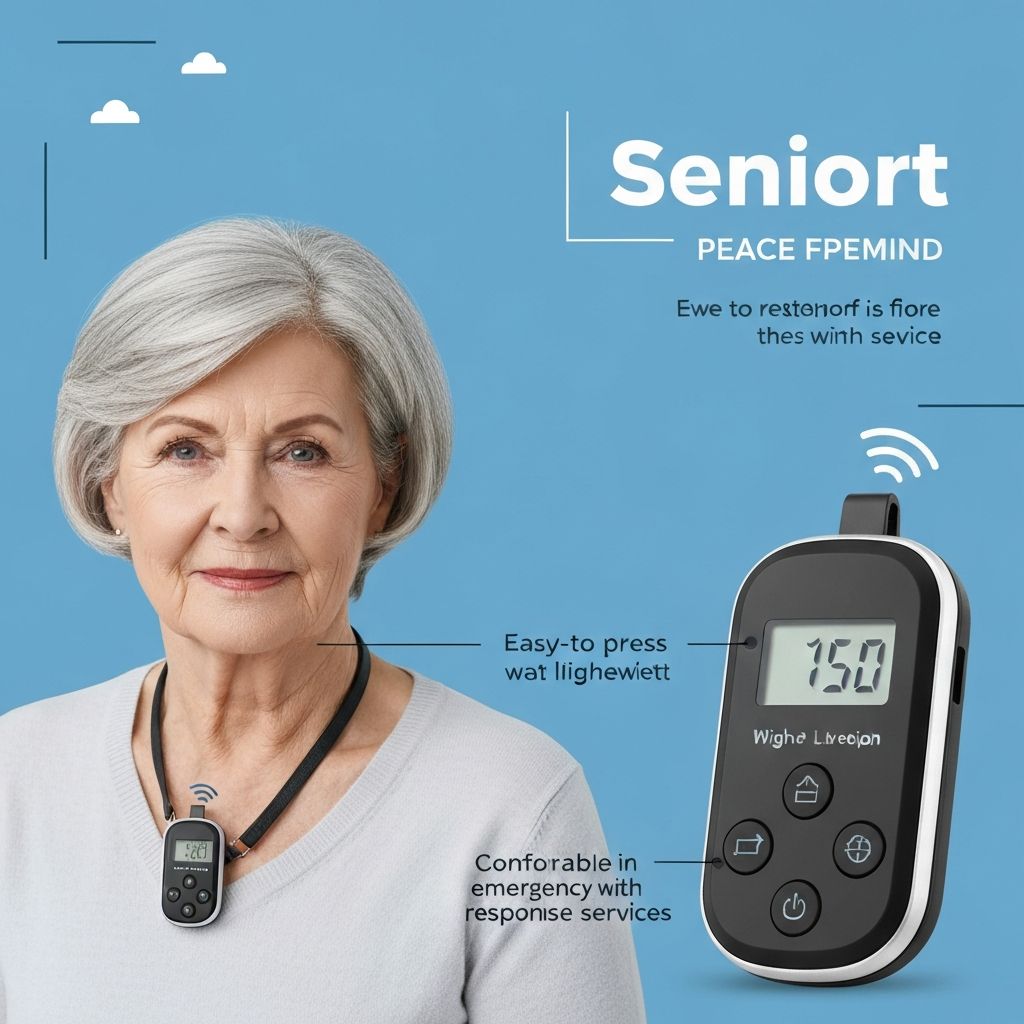
Best Medical Alert Systems of 2026
Stay safe and independent with reliable emergency response
Top Rated Providers
Compare features, pricing, and customer ratings to find the best option for your needs.

Pros
- •Fall detection
- •GPS tracking
- •24/7 support
Cons
- •Setup fee required
Key Features
Pros
- •Trusted name
- •Fast response
- •No contracts
Cons
- •Higher monthly cost
Key Features
Pros
- •Affordable
- •No long-term contracts
- •Free shipping
Cons
- •Limited features
Key Features
Medical alert systems provide peace of mind for seniors and their families, offering 24/7 emergency response at the push of a button. Modern systems include fall detection, GPS tracking, medication reminders, and activity monitoring to help seniors maintain independence while staying safe.
Choose a medical alert system based on lifestyle needs. Active seniors need mobile GPS devices with fall detection. Home-based systems work well for less mobile individuals. Look for features like two-way voice communication, waterproof design, battery life, and response center certification.
Medical alert systems typically cost $20-$50 per month for basic service, with additional fees for advanced features like fall detection ($10-$15/month) or GPS tracking. Some companies charge equipment fees ($50-$200) or activation fees. Medicare doesn't typically cover these costs, but some Medicare Advantage plans do.
Essential features include 24/7 monitoring, fall detection technology, GPS tracking for mobile devices, waterproof design, long battery life, medication reminders, activity monitoring, and compatibility with pacemakers. The best systems have UL-certified monitoring centers and fast response times.
Evaluate the user's mobility level, living situation (home vs. assisted living), medical conditions, and whether caregivers need activity alerts. Check if the monitoring center is US-based, response time averages, contract requirements, and return policies. Many offer free trials.